The Story of WRRF
In February 2024, a boy just shy of his tenth birthday sparked a quiet revolution.
Nicholas Aidan Pinkerton was not looking to start a nonprofit. He was simply watching his father work when one unnamed Civil War veteran changed everything.
The grave with no name
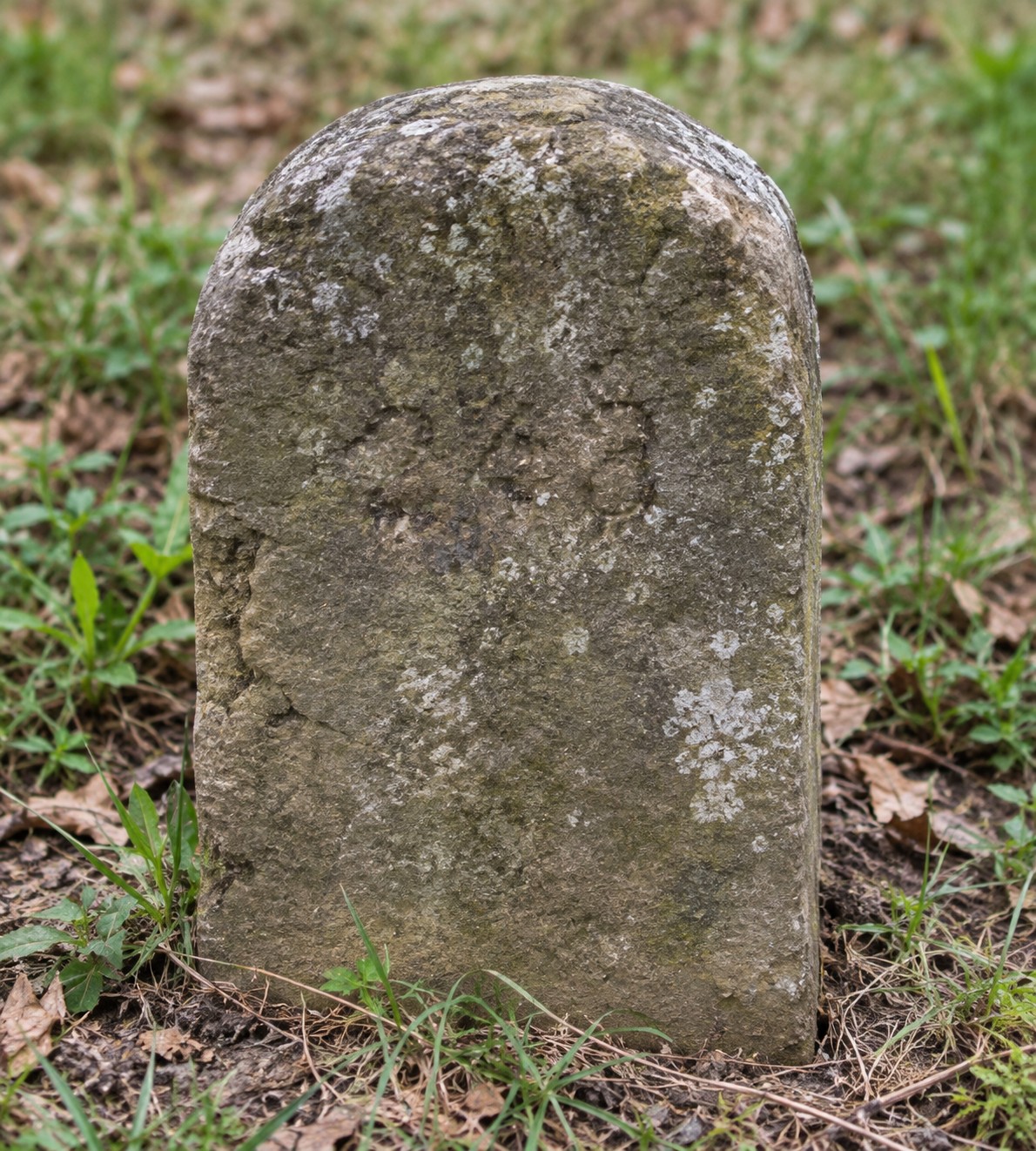
His father was researching veterans buried at Cave Hill National Cemetery. Images of grave markers moved across the screen. Some carried names. Some carried ranks. Then one did not.
Just a number.
Nicholas paused. “Who’s that and where is his name?”
“That’s a Civil War veteran,” his father replied. “No one inscribed a name.”
Nicholas stared at the screen. “Why not?” His father admitted that he did not know.
Then Nicholas asked the question that stopped him:
Reflecting on his own military career and those with whom he had served, his father felt ashamed that a fellow veteran had been forgotten. That day, they chose a simple family project: find one forgotten veteran and ensure he would never be forgotten again.
The forgotten near home
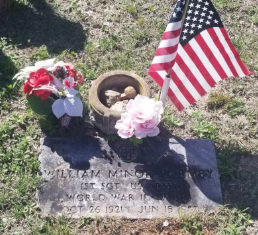
They began near home in Spring Branch, Texas, at St. Joseph Catholic Church–Honey Creek Cemetery, founded in the 1800s.
There they found what Nicholas now calls “The Forgotten.” Veterans’ headstones were covered in grime and swarming with fire ants. Some were illegible. Others had sunk below the ground. Some veterans had no government marker at all.
Nicholas turned to his father and said, “We can’t leave them like this. They deserve better.”
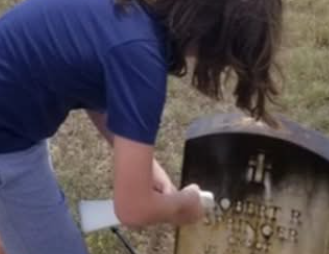
With help from the Knights of Columbus, they received permission to clean and restore the graves. They studied proper preservation methods, government regulations, and professional guidance from cemetery, historical, and monument experts.
But every stone they uncovered revealed a larger problem.
“One veteran at a time. One stone at a time. One story at a time.”Nicholas Aidan Pinkerton
One restoration became an investigation
Families often did not know their loved ones were eligible for military recognition. Cemetery records were incomplete. Names had been lost in the shuffle of history.
What began as physical restoration became full investigative research. St. Joseph Cemetery had recognized 56 veterans. After months of work, Nicholas and his father identified nearly 100.
Widows came forward. Children asked questions. Families who had not visited in years were drawn back by the sight of a young boy gently cleaning the gravestone of someone he had never met.
Nicholas offered help without expecting anything in return.
His father eventually told him the truth: “This is bigger than us. We can’t fix the millions of veterans’ graves being neglected.”
Nicholas did not flinch. “Others will help. Just have faith.”
A family project becomes a movement
Local veterans and Nicholas’s martial arts coach joined the effort. Together they formed the Warriors Remembrance Foundation, Inc., now doing business as the Warriors Remembrance & Research Foundation.
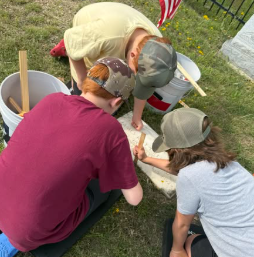
The organization was built as an all-volunteer nonprofit around one simple belief: every veteran who served honorably deserves to be remembered.
In less than two years, the family project expanded across rural and often-overlooked Texas cemeteries. Preservation led to research. Research led to family assistance. Family assistance led to advocacy.
The mission was no longer only about cleaning stone. It was about truth, healing, recognition, and legacy.
The mission grew with every problem uncovered
Burial Benefits Assistance
Helping families pursue VA headstones, markers, and burial allowances.
Genealogy & Verification
Researching and confirming veterans whose service or burial records were lost.
Veterans of Texas Legacy Project
Building a statewide archive for veterans buried outside government cemeteries.
Warrior Wednesday
Inviting Americans to wear military green in remembrance of the fallen and their families.
Coin-A-Veteran
Giving young people a direct way to thank living veterans through personal recognition.
Small hands. A growing voice.
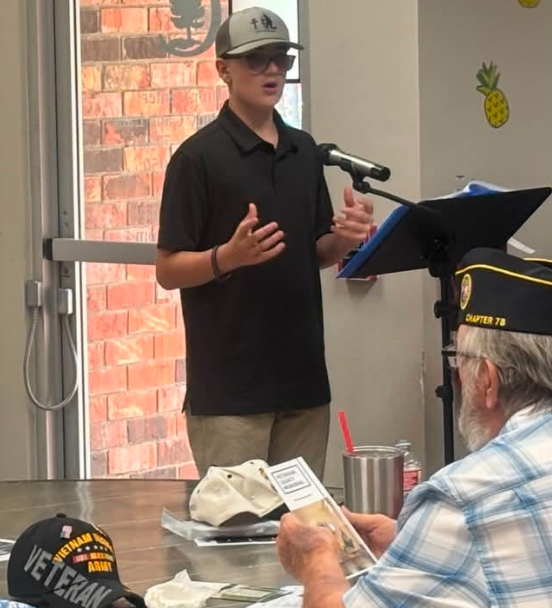
Now 12 years old, Nicholas is stepping into a new role: advocate.
He is asking state and federal leaders to close the gap between veterans buried in community cemeteries and those interred in national or federally funded state cemeteries.
The gap is wide. The silence around it is wider.
Nicholas is trying to close both in the same way he began: one name, one grave, and one veteran at a time.
His hands are still small. His voice is still young. But what he is building is not.
Not with a law.
Not with a hashtag.
With a boy, a forgotten veteran, and a question America needs to ask itself.
It is not only about remembering the dead. It is about reminding the living what it means to serve, to honor, and to never forget—especially when no one else is looking.
“Don’t our veterans deserve to be remembered, regardless of where they are buried?”