
New Trinity Cemetery
Haltom City, Texas
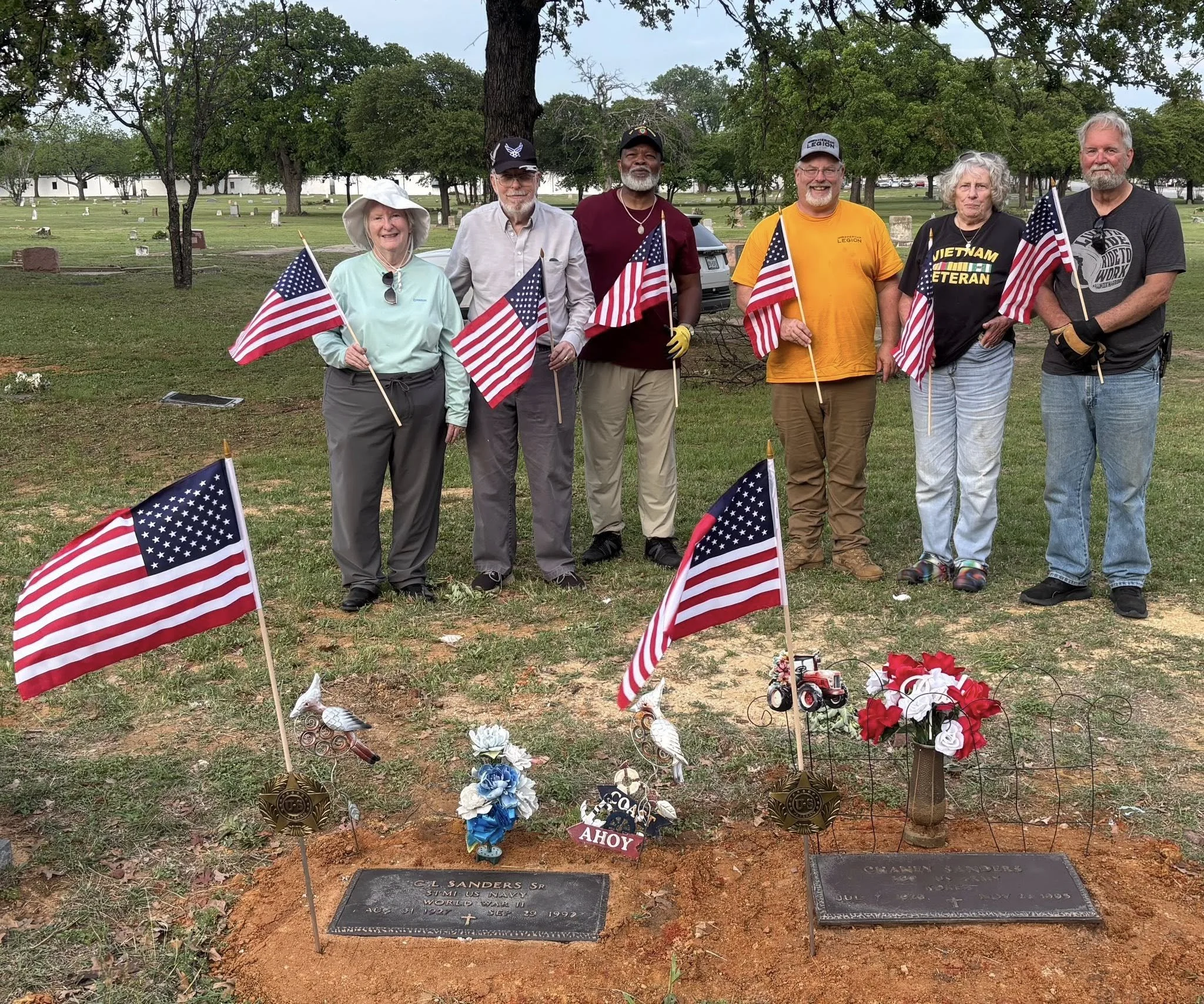
New Trinity Cemetery, historically known in part as People’s Burial Park, is a significant African American community cemetery located in present-day Haltom City, in Tarrant County, Texas. The cemetery serves as a lasting testament to the lives, families, and service of generations of African Americans who lived, worked, and worshipped in the area from the late 19th century through the mid-20th century and beyond.
The cemetery’s origins are closely tied to the post–Civil War African American settlement patterns of North Texas. Following emancipation, formerly enslaved individuals and their descendants established self-sustaining communities—often referred to as Freedom Colonies—centered around churches, schools, and burial grounds. These cemeteries were not only places of interment, but also cornerstones of identity, continuity, and dignity in an era when African Americans were largely excluded from white burial grounds.
Land associated with Trinity Chapel Methodist Church, an African American congregation founded in the late 19th century, became the nucleus for burial activity in the area. Church records and land transactions indicate that burial use began as early as the 1890s, with additional acreage designated over time to meet the growing needs of the community. By the early 20th century, portions of the burial ground were formally identified as People’s Burial Park, reflecting its role as a cemetery created by and for the Black community.
While historians continue to document the full extent of the surrounding settlement, New Trinity Cemetery is strongly associated with a historic African American community consistent with Freedom Colony patterns, serving as physical evidence of a population that built institutions, maintained family ties, and preserved cultural traditions despite segregation and systemic barriers.
New Trinity Cemetery is the final resting place of numerous African American veterans, including those who served during World War I and World War II, as well as later conflicts. Many of these veterans returned home to communities that offered limited recognition of their service, and over time their grave markers—some government-issued—fell into neglect or disrepair.
Beyond veterans, the cemetery contains the graves of:
Community leaders
Church members
Laborers, farmers, and tradesmen
Families whose roots in Tarrant County span generations
Together, these burials tell the story of a resilient community whose contributions shaped the region’s social, cultural, and economic history.
Chad Page
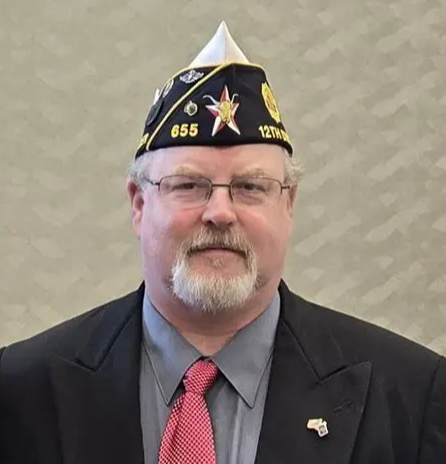
WRRF Liaison
210-802-1917
VETERANS

-
Private, United States Army, WWI
April 16, 1896 - March 16, 1943
LEARN MORE
-
United States Navy, WWII
November 20, 1909 - August 14, 2009
LEARN MORE
-
Private, United States Army, WWII
January 9, 1910 - February 9, 1963
LEARN MORE
-
Sergeant, United States Army, WWII
February 9, 1918 - December 10, 1941
LEARN MORE
-
Private First Class, United States Army, WWI
April 4, 1897 - October 5, 1956
LEARN MORE
-
Sergeant, United States Army, WWI
March 14, 1890 - January 30, 1961
LEARN MORE
-
Private, United States Army, WWII
December 25, 1905 - December 22, 1955
LEARN MORE
-
United States Army, WWI
June 16, 1890 - May 28, 1957
LEARN MORE
-
Private, United States Army, WWI
August 15, 1893 - July 2, 1957
LEARN MORE
-
Private, United States Army, WWI
January 5, 1894 - August 20, 1955
LEARN MORE
-